Key Takeaways
- Pumpkin seeds are rich in zinc, magnesium, protein and healthy fats — nutrients men commonly run low on.
- They are traditionally eaten to support prostate comfort and overall male vitality.
- One to two tablespoons a day is enough; eat them raw or lightly roasted.
- Pumpkin seeds are a nutritious food, not a treatment — prostate or urinary symptoms need a doctor’s check.
Why pumpkin seeds are special for men
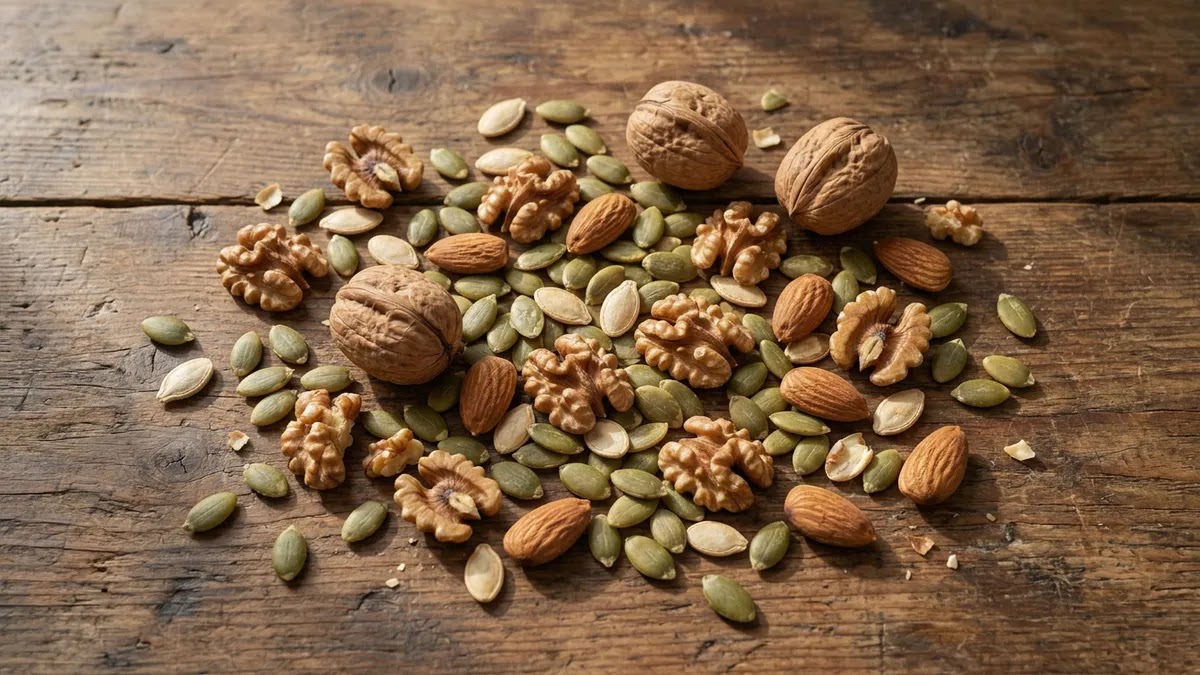
Pumpkin seeds (kaddu ke beej) look humble, but few foods pack so much male-focused nutrition into such a small handful. A small serving provides zinc — a mineral essential for normal testosterone production and immune health — along with magnesium for muscles and sleep, plant protein, and heart-friendly unsaturated fats.
In traditional medicine, pumpkin seeds have long been eaten by men for prostate and urinary comfort, especially in middle age. Modern nutrition science agrees the seeds are genuinely nutrient-dense, even though food alone cannot treat prostate conditions.
Traditional and nutritional benefits
Prostate comfort support. Pumpkin seeds contain plant sterols and zinc, both linked in nutritional research to normal prostate health. Eating them regularly is a traditional habit for men who wake at night to urinate — but see the doctor section below, because those symptoms need checking.
Zinc for vitality. Zinc supports normal testosterone levels, fertility and immunity. Men lose zinc through sweat, so active men benefit from zinc-rich foods like pumpkin seeds.
Better sleep. Pumpkin seeds contain tryptophan and magnesium, nutrients involved in normal sleep. A small handful in the evening is a traditional snack for restless sleepers.
Heart and blood pressure support. The magnesium and healthy fats in pumpkin seeds fit a heart-friendly diet and can support normal blood pressure as part of balanced eating.
Muscle and workout recovery. With about 7 grams of protein per small handful plus magnesium, pumpkin seeds make a smart post-workout snack.
How to eat pumpkin seeds
- Raw: The most nutritious way. Eat 1–2 tablespoons straight, or sprinkle over salads, yogurt, oatmeal or smoothies.
- Lightly roasted: Dry-roast in a pan for 3–4 minutes until they puff slightly. Add a pinch of salt, black pepper or chaat masala.
- Seed mix: Combine with sunflower seeds, flaxseed and a few almonds for a daily trail mix.
- Powder: Grind roasted seeds and stir a spoon into milk, soups or dough.
How much per day?
One to two tablespoons (about 15–30 grams) a day is plenty. Pumpkin seeds are healthy but calorie-dense — roughly 150–170 calories per ounce — so handful after handful can quietly add up.
Cautions
- Calories: Easy to overeat. Measure your portion instead of eating from the bag.
- Allergy: Seed allergies are uncommon but possible. Stop if you notice itching or swelling.
- Stomach: Large amounts of any seed can cause bloating. Start with one tablespoon.
- Storage: The healthy fats can go rancid. Keep seeds in an airtight jar away from heat and buy from a fresh stock.
When to see a doctor
Frequent night urination, a weak stream, difficulty starting, or blood in urine are symptoms that need a doctor, not a home remedy. They can point to an enlarged prostate or other conditions that are very treatable when caught properly. Pumpkin seeds support nutrition; they do not diagnose or treat prostate problems.
FAQ
Are pumpkin seeds good for testosterone?
They provide zinc, which the body needs to maintain normal testosterone levels. They support nutrition but are not a testosterone treatment.
Raw or roasted — which is better?
Raw seeds keep the most nutrients. Light roasting is fine and tastes better; avoid heavily salted or oil-fried versions.
When is the best time to eat them?
Any time. Many men take them with breakfast or as an evening snack for the sleep-supporting nutrients.
Disclaimer: This article shares traditional home-remedy knowledge for general information only. It is not medical advice and does not replace a doctor’s diagnosis or treatment.